
Mending and Darning Wool Sweaters: A Beginner's Repair Guide
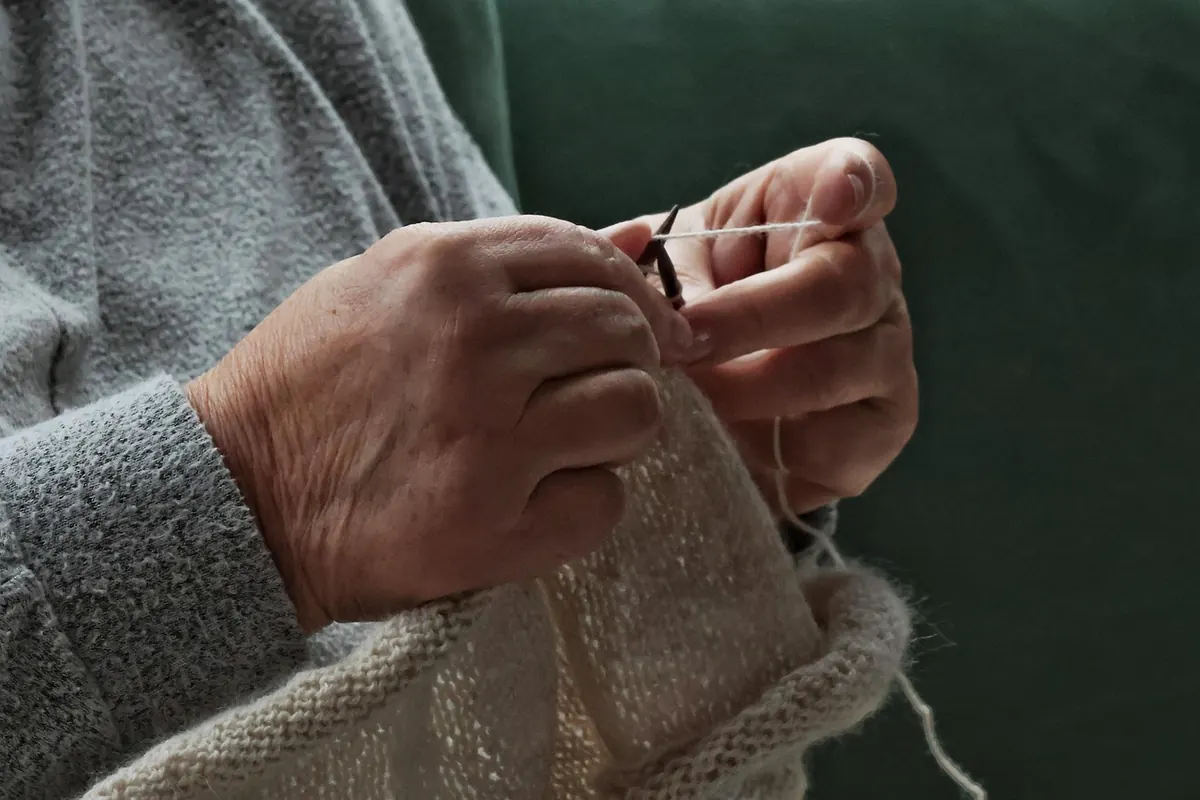
A wool sweater is a long-term relationship. It softens with wear, adapts to your shape, and becomes the layer you reach for without thinking. Then a moth finds it, or a backpack strap rubs a thin spot near the shoulder, or a cuff finally gives way. A hole does not mean the sweater is finished. With a needle, a length of suitable yarn, and a little patience, you can close most small damage before it spreads. Darning is not about making a repair invisible. It is about keeping a garment in use, which is one of the most practical ethical choices you can make with knitwear.
What You Need Before You Start
You do not need a sewing room. A small tin or pouch with the right tools is enough, and once it lives near your knitting or laundry area, you are more likely to use it.
- A blunt tapestry needle. Sharp needles split wool fibers; a blunt needle slides between stitches.
- Matching or contrasting yarn. For wool sweaters, use wool or a wool-blend yarn in a similar weight. Sock yarn works well for fine knits.
- A darning mushroom, egg, or smooth rounded object. A small jar or a lightbulb also works in a pinch. It holds the fabric taut without stretching it out of shape.
- Small scissors and a needle threader. Trimming loose fibers cleanly makes the repair easier to see.
- Sewing needle and thread. For seams, use a needle that can pass through the seam allowance without forcing.
- Pins or clips. Helpful for holding patches and seams in place.
If the sweater is especially precious or the hole is large, take a photo before you begin. It helps you remember how the stitches crossed if you need to pause.
How to Darn a Small Hole
Classic woven darning is the best first repair to learn. It works on round holes, worn thin spots, and small tears in stockinette, ribbing, and most textured knits.
- Turn the sweater inside out if the hole has rough edges. Trim any broken fibers that stick out, but do not cut into healthy stitches.
- Place the damaged area over your darning mushroom or rounded object. The fabric should be smooth, not stretched.
- Thread your needle with a length of yarn about as long as your forearm. Do not knot the end. Instead, weave it into the fabric nearby, leaving a short tail to secure later.
- Work vertical stitches across the hole, starting and ending at least half an inch beyond the damaged area. Keep the stitches parallel and evenly spaced.
- Turn the work and weave horizontal stitches over and under the vertical ones. This creates a small woven patch that moves with the knit.
- When the hole is filled, run the needle through the fabric on the wrong side, weave in the end, and trim. Repeat with the starting tail.
Keep the Tension Gentle
New darners usually pull too tight. The repaired area should lie flat when the sweater is relaxed. If it puckers, the yarn is too tight and the knit cannot stretch. If it sags, you have left too much slack. Aim for the same tension as the surrounding fabric, then block the repair lightly with a damp cloth and a cool iron if the care label allows.
Duplicate Stitch for Tiny Holes and Thin Spots
Duplicate stitch, sometimes called Swiss darning, is ideal when the knitted stitches are still visible. Instead of weaving a patch, you trace over the existing V-shaped stitches with yarn, reinforcing them and covering small breaks.
- Bring the needle up through the base of the stitch you want to cover.
- Follow the path of the original stitch: up one side, across the top, and down the other side.
- Work one stitch at a time, keeping the yarn loose enough that the fabric still stretches.
- Cover the damaged area and one row beyond it on all sides for strength.
Duplicate stitch blends best on smooth stockinette. On cables, ribbing, or seed stitch, use a woven darn instead, because the surface texture makes tracing stitches confusing.
Patching Larger Holes and Worn Elbows
Once a hole is larger than a pea, or the fabric around it feels thin and weak, a patch is more reliable than a darn. You can make it nearly invisible or deliberately visible. Both approaches work; visible mending simply turns the repair into part of the sweater’s story.
For a sew-on patch, choose a piece of wool felt, a scrap of knitted wool, or a piece of the same sweater if you have one. Cut the patch slightly larger than the damaged area. Turn the sweater inside out, place the patch behind the hole, and pin it. Using matching or contrasting thread, stitch around the edge with a blanket stitch or a small whipstitch. Then secure the center with a few stitches so the patch does not shift in the wash.
For worn elbows that have not yet torn, duplicate stitch over the thin area or sew a curved patch on the inside. A little reinforcement now is easier than rebuilding a large hole later.
Repairing Seams, Cuffs, and Necklines
Seams often fail before the fabric does. Underarm seams, shoulder seams, and side seams take the most strain. Turn the sweater inside out, match the two edges, and pin them together. Using a blunt needle and matching wool yarn, work a mattress stitch: pick up one bar from each edge, then pull gently. The seam should close without gathering the fabric.
- Underarm seams: reinforce the curve with a few extra stitches at the highest stress point.
- Cuffs: if the edge is unraveling, catch the live loops first, then sew them down with a matching thread or yarn.
- Necklines: a stretched neckline can sometimes be eased back with a row of slip stitches or a narrow band of ribbing sewn over the edge.
- Shoulder seams: use a firm stitch, but avoid pulling so hard that the shoulder puckers.
When a Sweater Is Beyond Repair
Not every sweater can be saved. If the wool is brittle and breaks when you tug it, if there are many large holes across high-wear areas, or if the fabric has felted into a stiff mat, repairs may not hold. In that case, consider repurposing. Felted wool can become mittens, coasters, a small cushion cover, or a cover for a hot water bottle. If the seams are sound and the yarn is still strong, you might unravel the sweater and reuse the yarn. Otherwise, look for a textile recycling drop-off rather than putting wool in the bin.
Caring for a Repaired Sweater
A good repair lasts longer when the sweater is cared for gently.
- Wash wool by hand or on a delicate wool cycle with a gentle detergent, and avoid sudden temperature changes.
- Dry flat, reshaping the sweater while damp. Hanging a wet sweater can stretch it badly.
- Fold sweaters for storage rather than hanging them on padded hangers for long periods.
- Air the sweater between wears and store it clean, since moths are drawn to wool with food or skin oils on it.
- Check cuffs, underarms, and elbows for thin spots at the end of each season.
A Repair Habit Worth Keeping
The first darn will look homemade. The fifth will look intentional. Keep a small repair kit nearby, set aside twenty minutes when you notice a hole, and fix it before it grows. A mended sweater is not a lesser sweater. It is one you have decided to keep, wear, and pass on, which is exactly what ethical knitwear looks like in daily life.
Photo: Tho-Ge / Pixabay