
Local Wool: Why Buying Regionally Made Knitwear Matters
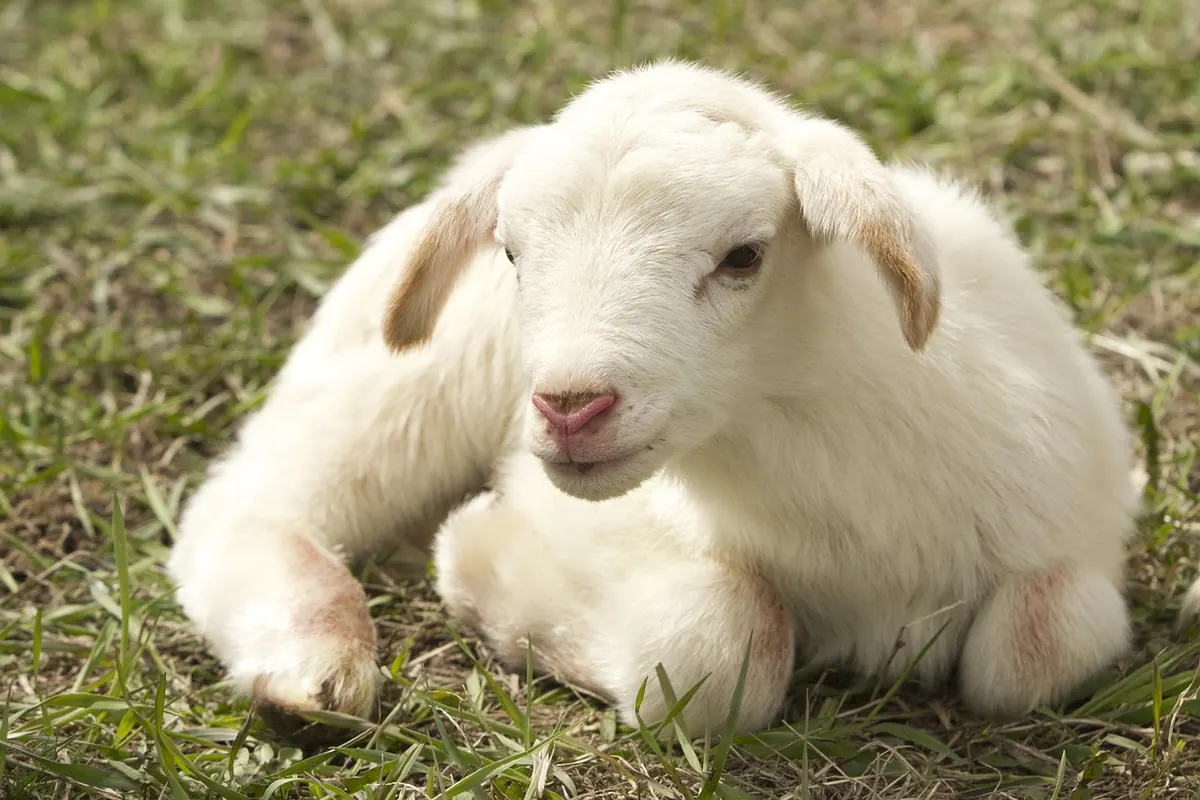
Wool has an odd reputation problem. We treat it as a luxury fibre, something for hiking socks and heirloom blankets, when for most of history it was simply what people wore. The fibre didn't change. The distance it travels did. A single jumper can be grown, scoured, spun, dyed, knitted and finished across four continents before it reaches a shop rail, and every handover adds cost, emissions and a layer of fog between you and the people who made it. Buying regionally made knitwear is one of the more useful things a wardrobe can do — not because it's a magic fix, but because it shortens the chain enough that you can actually see what you're paying for.
What "Local" Actually Means
There are three separate stages in a jumper, and they don't always live in the same place. The fleece is grown on a farm. The yarn is scoured, spun and dyed, often at a mill. The garment is knitted, linked and finished, sometimes in a small workshop, sometimes in a factory. A label reading "made in Portugal" might mean the knitting happened there while the yarn was spun in Italy from fleece grown in Australia.
Truly local knitwear has all three links close together — the kind of thing you find from a farm that sells its own yarn, a regional mill that spins for nearby growers, or a small knitwear label that names its flock. Those operations exist, but they're rare, and they're rarely cheap. So the practical question isn't "is this 100% local?" It's "which link matters most to me?" If your concern is animal welfare, the farm is the link that counts. If it's keeping manufacturing skills alive, it's the mill and the knitter.
The Climate Maths Is Messier Than the Slogan
It would be tidy to say local wool always has a lower carbon footprint. It doesn't, necessarily. Sea freight is a comparatively small part of a garment's impact per kilo, and a well-run large mill can be more energy-efficient than a tiny old one. Scouring, dyeing, spinning and finishing are energy-intensive wherever they happen, and the fleece itself carries the emissions of the flock.
What local supply chains do offer is transparency and a shorter list of unknowns. Short chains are more likely to skip heavy chemical treatments, to avoid blending wool with plastic to hit a price, and to make garments intended to be repaired rather than binned. They're also more resilient: when a shipping route or a foreign factory stalls, a regional mill keeps working.
Treat "local" as a proxy for visibility and durability, not as a guaranteed number. The single biggest variable in a jumper's footprint is still how many years you wear it.
Fleece That Fits the Place It Grew
Wool is not one material. A fine merino from a dry inland region behaves nothing like a springy fleece from a damp coastal flock. Native and regional breeds — Shetland, Romney, Bluefaced Leicester, Corriedale, and dozens of local crosses — tend to produce wool that is more variable and often coarser than the ultra-fine fibre used in mass-market knitwear.
That's not a flaw. Coarser, bouncier wool makes excellent outerwear, cardigans, hats and work jumpers. It resists pilling, holds shape and shrugs off weather. Fine wool is the one you want against your skin. If a local yarn feels a little crisp in the skein, it will usually soften with wear.
Two terms are worth knowing. Worsted spun yarn is combed smooth, denser and more hard-wearing. Woollen spun yarn is airier and fuzzier, warmer for its weight and quicker to felt. Ask which one you're buying if you're choosing between two similar jumpers.
Where Your Money Actually Goes
Shearers, small scouring plants, spinning mills and finishers form a fragile chain. When one closes, the others lose their route to market, and a region can lose its wool infrastructure in a decade. Buying from a regional producer keeps a much larger share of the price in that area, and it keeps skills — hand-linking, darning, mending, dyeing — in circulation.
It also costs more, and that's honest. Small mills have minimum order quantities and can't spread overheads across millions of units. The right comparison isn't this jumper against a cheap one; it's cost per wear. A well-made wool jumper worn three days a week for eight winters is a different purchase from a blend that pills by February.
Questions Worth Asking Before You Buy
Good makers answer these without flinching. Vagueness is information too.
- Where was the fleece grown, and from which breed or flock?
- Which mill scoured, spun and dyed it? Can they name it?
- How is flystrike managed on the farm? Is the wool mulesing-free?
- Is any synthetic fibre blended in — and if so, why? (Nylon in sock yarn is a legitimate durability choice; 40% acrylic in a jumper is usually a cost choice.)
- Has the wool been superwash-treated, which typically involves chlorine or a polymer resin?
- Can it be repaired? Do they sell matching darning yarn or offer a mending service?
- What does the care label actually require — and is that realistic for you?
Two or three clear answers is a good sign. A brand that knows its mill by name usually knows its farm too.
Making It Last Is the Real Saving
Most wool isn't ruined by wearing. It's ruined by washing. Airing a jumper overnight does more than a wash cycle, and wool genuinely doesn't need frequent laundering. When it does, use cool water, a wool or pH-neutral detergent, no fabric softener, and no wringing. Reshape it and dry it flat, away from radiators and direct sun. Fold knitwear; hanging stretches shoulders out of shape.
Store clean wool in a breathable cotton bag or a sealed bin with the air pressed out. Moths prefer dusty, undisturbed, dark wool, so wear the things you own and check them at the end of the season. Learn one repair: a basic darn takes twenty minutes and rescues a sleeve cuff, a heel or a small hole. A mended jumper tells a better story than a new one.
Start With One Garment
Don't rebuild a wardrobe. Pick the thing you wear most — a hat, a cardigan, a pair of socks, a winter jumper — and buy the best regional version you can afford. Ask the questions above. Note the mill or the farm on the label before you cut it off, so you can go back. Then wear it hard, wash it rarely and mend it once.
If you're buying for someone else, a locally made wool hat is a low-risk gift and an easy conversation starter about where things come from. If you're unsure whether a brand's claims hold up, ask them directly in writing; a real maker will be glad you cared enough to ask.
Photo: cathy0952 / Pixabay